
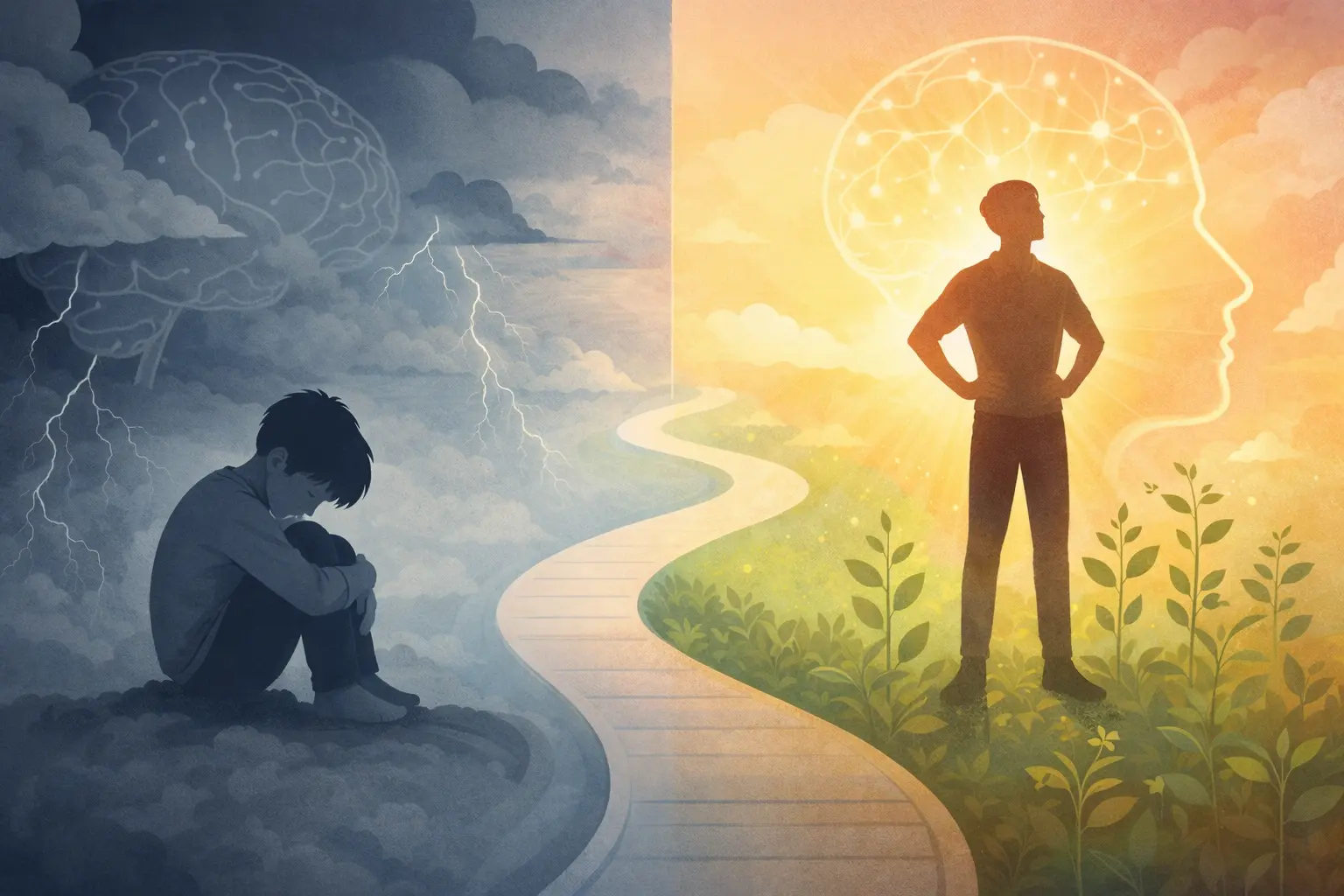
Consider the child who observes a freak accident and has his life turned upside down. Envision the adolescent whose home life is filled with shouting and hostility. Both experiences are etched into this young person’s mind, shaping how that individual views the world for the rest of his life. Approximately 61% of adult respondents report experiencing one or more significant events during their childhood that have had a major impact on their adult life (e.g., physical abuse, loss of loved one).
This illustrates that trauma affects people in all walks of life. Trauma is defined as any event that can lead to long-term psychological issues (such as accident-related trauma) and chronic conditions (such as physical abuse). Trauma directly correlates with manifestation of psychological illness later in life. The evidence clearly shows that early intervention in cases of childhood trauma can reduce the severity of psychological damage in later years. Therefore, proactive measures to enhance resilience through early childhood experiences must be taken.
Trauma directly correlates with the manifestation of psychological illness later in life. The evidence clearly shows that early intervention in cases of childhood trauma can reduce the severity of psychological damage in later years. Therefore, proactive measures to enhance resilience through early childhood experiences must be taken. Many people gain a clearer perspective by exploring mental health services to understand how early experiences shape emotional well-being.
Defining Trauma’s Impact on the Developing Brain
The Neurobiological Reality of Toxic Stress
When facing an emergency, the body enters an ’emergency’ state; the muscles tense and prepare for action, the heart rate increases and breathing becomes quickened; this state is referred to as “Fight-or-Flight.” The “Fight-or-Flight” response can be triggered by a number of things such as a sudden loud noise, being startled or frightened, or experiencing pain. When the brain is in ‘Alert Mode’, the “HPA axis” remains activated continuously. When a person is exposed to chronic stress, the symptoms are similar to having the heart racing and breathing rapid. Chronic stress will lead to changes in the brain. Over time these changes will cause the brain to shrink (hippocampus) and grow larger (amygdala). With these changes to the brain, emotions begin to overpower logical thinking; it will make a person react quickly and/or become emotionally numb.
Differentiating Acute, Chronic, and Complex Trauma
Trauma experienced does not always share the same characteristics. An acute traumatic event can arise from one major incident such as a house fire or natural disaster. While this type of traumatic experience may be extremely shocking initially, it can be worked through over time. Chronic trauma develops more gradually from chronic exposure to a particular cause, such as poverty, which can gradually make an individual feel increasingly depleted. Lastly, complex trauma can arise from intimate relationships, such as abuse/neglect in childhood or family/friend betrayal later on. Complex trauma is characterized by significant damage to trust. In addition, complex traumatic stress can result in a distorted self-image and hinder attachment. Complex trauma teaches children that the world is dangerous, erodes self-worth, and defines how we receive and understand others. Understanding the definition of complex trauma allows us to seek the appropriate resources required for treatment.
Manifestations: How Trauma Shapes Mental Health Conditions
Unhealed emotional wounds show up in your daily life. You might get upset over little things. You might isolate yourself emotionally from loved ones. The connection between Mental Health and Trauma is very deep. Trauma and Mental Health are intertwined because they take survival tricks and turn them into a constant source of suffering .
After experiencing Trauma, you will still feel Fear. Fear will cause you to feel anxious about everything. For example, you may find that you have a constant “buzz” of Generalized Anxiety going off in the back of your mind every day. You may experience Panic Attacks that cause you to feel like your heart is racing and make your chest feel tight and heavy. Being Hyper-vigilant causes you to be constantly scanning your environment for potential Threats. These types of Anxiety create an absence of Peace in your Life and also create Mood Problems such as Persistent Depressive Disorder that affects your ability to enjoy Life. PTSD and Major Depressive Disorder share the same Roots, which are both due to the underlying Fear that is being held onto. However, getting help Earlier in Life can help you clear this FOG.
Impact on Identity, Relationships, and Dissociation
Who am I? Trauma causes us to question who we are, often as a result of early abuse or neglect that leaves us unsure of our own worth. Trauma distorts our self-concept and impacts how we relate to others through attachment, which is formed through trusting relationships. Following trauma, we typically respond by rejecting those around us or clinging too closely to those we love. Dissociation becomes the primary way we cope with traumatic experiences, and time and space disappear. Unfortunately, this solution worked previously, but it has now become a source of pain and suffering. The effects of trauma are felt throughout life, but, it is essential to repair them early in life in order to have healthy connections with others.
Conclusion: From Reaction to Resilience
Trauma’s impact on Mental Health is evident. Traumatic Events can change your Brain and Life; Without Early Intervention or treatment, however, This Will Be the End of Trauma’s Impact on Mental Health. Trauma negatively affects an individual both, their Biology and Psychology. Studies on Traumatic Events on an Individual’s Biology show how the biological changes are progressive. That indicates additional interventions are not only necessary but must be done at the earliest point possible, to prevent even more traumatic events to occur, and create a continual cycle.
Building a Healthy Support Network will help individuals develop Resilience. No one should have to wait for Recovery from Trauma. If you are experiencing a Trauma, whether it was an experience that happened to you o a Loved One, reach out. Seek Help Today! Build Resilience and develop to your strongest personal self. You will be Proud of Yourself for being able to Stand Tall in the Future!