 Hamza Imran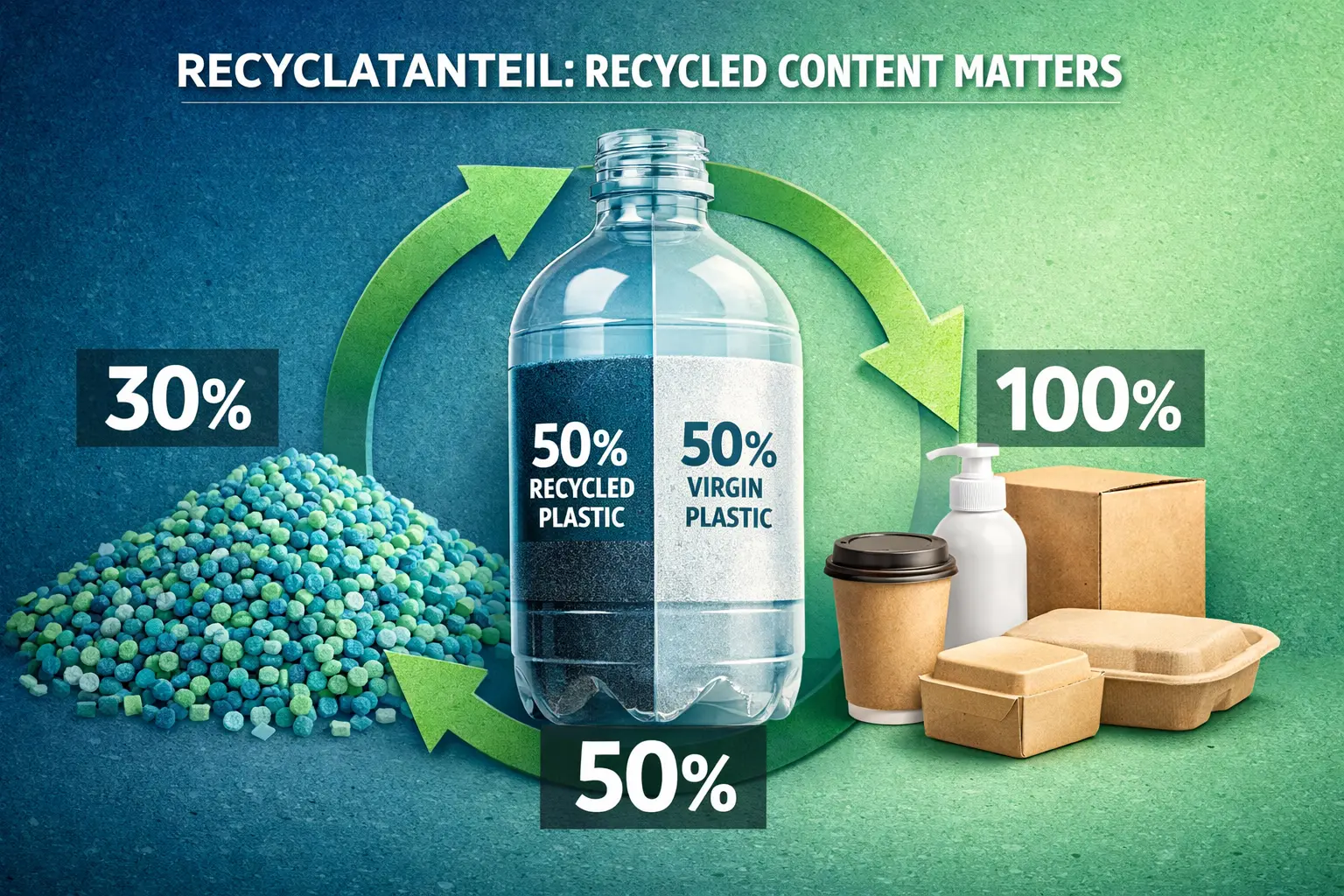
Ever grab a plastic bottle and wonder how much of it is actually recycled? That percentage is called recyclatanteil. It’s becoming a key thing to look at for packaging that’s good for the environment, but most people don’t really get what it is or why it’s important.
That recycling symbol on the bottle? It doesn’t tell you the whole story. What really matters is how much recycled stuff companies are actually putting back into making new stuff. That’s where recyclatanteil comes in, and it’s changing how companies think about making packaging that lasts.
What Is Recyclatanteil?
Recyclatanteil is just the amount of recycled stuff in a new product. It tells you how much of something is made from recycled materials instead of new raw materials. Sort of like a sustainability grade right there on the package.
So, if a plastic bottle says it has 30% recyclatanteil, that means 30% of it is made from recycled plastics. The other 70% is brand new plastic.
You’ll see this in different areas:
Packaging: like bottles, bags, and food containers.
Construction: think windows or insulation.
Cars: interior parts and outside stuff.
Fabrics: clothes made from recycled materials.
This number is all about what’s been recycled after people used it and put it in recycling bins.
Why Recyclatanteil Differs from Recycling Rates
A lot of people mix up recycling rates and recyclatanteil, but they’re not the same. Recycling rates tell you how much stuff gets collected and processed for recycling. A country can be great at recycling, but if manufacturers don’t use recycled materials much, its recyclatanteil will be bad.
Your town might recycle 80% of its waste because people are sorting things okay. But if companies only use 20% recycled materials when they make new stuff, that’s a problem. All that sorted stuff ends up sitting around or getting shipped somewhere else instead of being reused.
In Europe, they recycled about 41% of plastic packaging back in 2022. But a lot of products still don’t have much recycled stuff in them. This shows the big issue: Just because you collect things for recycling doesn’t mean they’ll actually turn into new products.
Environmental Benefits of Higher Recyclatanteil
Increasing recycled content percentages delivers real environmental wins. Producing materials from recycled content generally requires less energy than producing them from virgin resources, contributing directly to lower greenhouse gas emissions.
Resource Conservation
Every kilogram of recycled plastic means one less kilogram extracted from crude oil. Using recycled materials can reduce resource consumption by up to 70% compared to virgin plastics, which significantly decreases environmental pressure on finite resources.
Energy Savings
Manufacturing with recycled materials typically consumes 30-50% less energy than starting from scratch. Lower energy use translates to reduced carbon emissions and smaller climate impact.
Waste Reduction
Higher recyclatanteil keeps materials circulating longer instead of ending up in landfills or oceans. This extends material lifespan and reduces the accumulation of plastic waste in the environment.
Current Recyclatanteil Standards and Regulations
Okay, here’s a more human way to say that:
Lots of governments around the world are now saying you *have* to use recycled stuff. For example, the EU wants plastic bottles to be made of 25% recycled plastic by 2025, and then 30% by 2030. This is making companies get with the program fast.
In the US, states are doing their own thing. Washington state says drinks bottles need to be 15% recycled plastic now (in 2023), going up to 25% in 2026, and then half by 2031. California is doing something like that too, which is really changing things for businesses.
So, it’s not just a friendly recommendation anymore, it’s the law. If companies don’t use enough recycled stuff, they’ll get fined or can’t sell their stuff. It looks like the amount of recycled material we need to use is only going up.
Challenges in Achieving High Recyclatanteil
Despite good intentions, boosting recycled content percentages isn’t straightforward. Manufacturers face several obstacles that slow progress.
Material Quality Concerns
Dealing with color differences and how recycled stuff acts when you melt it can be tricky for factories. They might have to tweak the machines a bit. Also, recycled plastic isn’t always the same as brand new plastic, especially when you need things to be super exact.
Supply Limitations
There’s simply not enough high-quality recycled material available to meet growing demand. When companies commit to higher recyclatanteil, they often discover the recycled feedstock they need doesn’t exist in sufficient quantities.
Cost Factors
Actually, PCR-containing packaging can be pricier than look-alike packaging without it. That’s because making PCR stuff has its own expenses. Plus, sometimes recycled material is more in demand but not as available, so the price goes up, even costing more than the brand-new stuff.
Technical Limitations
Every time paper gets recycled, the fibers get shorter, and the paper isn’t as strong. Eventually, the paper can’t be recycled again because it’s just too worn out.
Industries Leading in Recyclatanteil Implementation
Some sectors have made impressive strides in incorporating recycled content.
Beverage Industry
Vöslauer and other companies are making bottles from 100% recycled stuff and keeping them up to par. Big drink brands are bumping up the amount of recycled stuff they use because customers want it.
Cleaning Products
Frosch brand PET bottles from Werner & Mertz are made with 50% recycled plastic taken from household trash. They’re showing that you can get a lot of recycled stuff into even tough products.
Packaging Manufacturers
Guess what? Those cool standing pouches for liquids are now being made with recycled stuff people throw in their recycling bins at home. It just goes to show that flexible packaging can actually use materials we’ve already used.
These pioneers show what’s possible when companies prioritize recyclatanteil in product design from the start.
How to Verify Recyclatanteil Claims
So, tons of stuff says it’s sustainable, but how do you know if those recycling numbers are real? Certifications can help make sure things are accurate and stop companies from faking it.
Keep an eye out for those third-party checkmarks on packaging. Good certification programs check where materials come from, follow supply chains, and double-check how percentages are figured out. That recycling symbol with a percentage inside? That means it’s got certified recycled stuff in it.
Honesty is key too. Companies that are serious about recycling numbers usually put out reports that explain how they got those numbers, where the materials came from, and if they’re improving. If a company just says made with recycled stuff but doesn’t give you any real numbers, be careful.
The Future of Recyclatanteil
Plastic makers in Europe want a rule that says all plastic packaging must contain 30% recycled stuff by 2030. This shows where the industry is going. This effort comes from rules and because customers want real sustainability.
Better tech means we can use more recycled stuff. Tech like plasma coating can help improve quality and boost the use of recycled materials. The recycled material gets coated right after it’s made, which makes it better for printing and labels.
Chemical recycling is also something to look forward to. Unlike regular recycling, chemical recycling can break down plastics into tiny bits and put them back together into brand-new quality. This could close the gap that now limits how much recycled stuff we can use in tough jobs.
Expect rules about recycled stuff to get stricter over the next few years. The 50% goals for 2030-2036 are just the beginning—they’re simply the next step toward using only circular materials.
Frequently Asked Questions
What does recyclatanteil mean in English?
Recyclatanteil translates to “recycled content percentage” or “recyclate proportion.” It measures how much recycled material a product contains compared to virgin materials.
Is higher recyclatanteil always better for the environment?
Yeah, usually, but it depends. More recycling cuts down on digging up new resources and usually uses less energy. But, how far the recycled stuff travels and how it’s processed also makes a difference to the environment. Like, 30% recycled stuff from nearby might be better than 50% that’s shipped from far away.
Can recyclatanteil reach 100% in all products?
Okay, so, not everything can be fully recycled. Sometimes, because of how things are made, you can only use about 30% recycled stuff. Also, things like safety rules mean some products just need to be made with all-new materials. But hey, lots of the things we use every day can be made with mostly or even completely recycled materials.
How is recyclatanteil calculated?
Manufacturers calculate recyclatanteil by dividing the mass of recycled material by the total material mass, then multiplying by 100 to get a percentage. The calculation can apply to individual components or entire products. Third-party auditors often verify these calculations to prevent inflated claims.
Does recyclatanteil include post-industrial recycled content?
It really depends on what standard you’re looking at. The strictest ones usually look at what’s been recycled after people have used it. Stuff from factory scraps is often seen as less important, since it never actually got to consumers. So, you should always check if they’re talking about post-consumer or post-industrial recycling.
Why don’t more products have high recyclatanteil?
Several barriers slow adoption: insufficient recycled material supply, higher costs compared to virgin materials, technical performance limitations, and lack of recycling infrastructure. Manufacturers also need time to reformulate products and adjust production processes. These challenges are gradually being overcome as technology improves and regulations tighten.
Will recyclatanteil requirements continue increasing?
You got it. It looks like regulations are headed toward higher minimums. What’s 15% today for recycled content could easily be 50% or more in ten years for most products. Businesses that put money into recycling now will be ahead of the curve when the rules get stricter.
Taking Action on Recyclatanteil
Knowing about recyclatanteil helps you make smart choices. When you shop, check the recycled stuff in similar items. Go for brands that tell you what’s in their products and aim high.
If you’re a business, figure out how much recycled stuff you use now. Decide how much you want to increase that in the next few years. Get friendly with recycled material suppliers now, before everyone else does.
Using more recycled stuff is a must now. Whether you’re a customer, a business, or making laws, recyclatanteil will decide which products win in the future.